When your home suddenly feels stuffy, dusty, or hard to heat, there’s a good chance the problem starts with a simple part of your HVAC system: the air filter.
Clogged air filters are one of the most common, and most preventable, causes of HVAC problems we see in Statesville and the surrounding North Carolina communities. A dirty filter can:
-
Restrict airflow
-
Drive up your energy bills
-
Put extra strain on your furnace or air conditioner
-
Lead to breakdowns and expensive repairs
The good news? A little attention to your air filter can go a long way toward keeping your system running smoothly in both winter and summer.
Why a Clean Air Filter Matters for Your Comfort and System
Your HVAC filter is designed to catch dust, dirt, pet hair, and other particles before they circulate through your home and into your equipment. When the filter is clean, air can move freely, helping your system:
-
Heat and cool more evenly
-
Run fewer hours to reach your set temperature
-
Protect sensitive components from dust and debris buildup
When the filter is clogged, airflow drops and your equipment has to work harder to push air through the system. That extra effort can:
-
Increase wear and tear on motors and other parts
-
Reduce efficiency and comfort
-
Shorten your system’s lifespan
According to the U.S. Department of Energy, regularly replacing a dirty air filter can lower your system’s energy use by about 5–15%—savings you’ll notice on your utility bills.
In a climate like ours here in Statesville, Mooresville, Salisbury, and nearby North Carolina towns, where you depend on both heating and cooling for much of the year, that efficiency really matters.
Common Signs Your Air Filter Is Clogged
You don’t have to be an HVAC expert to spot a filter problem. If you notice any of these signs, checking the air filter is a smart first step:
-
Weak airflow from vents – Air feels like it’s barely moving even when the system is running.
-
Uneven temperatures – Some rooms are too warm or too cold compared to others.
-
Longer run times – Your system runs longer than usual to reach the same temperature.
-
Higher utility bills – Your energy usage hasn’t changed, but your bill is climbing.
-
More dust around your home – Dust builds up on furniture and vents quickly after cleaning.
-
Increased allergy or respiratory symptoms – A dirty filter isn’t catching as many particles.
-
You can’t remember the last time you changed the filter – If it’s been several months, it’s time to take a look.
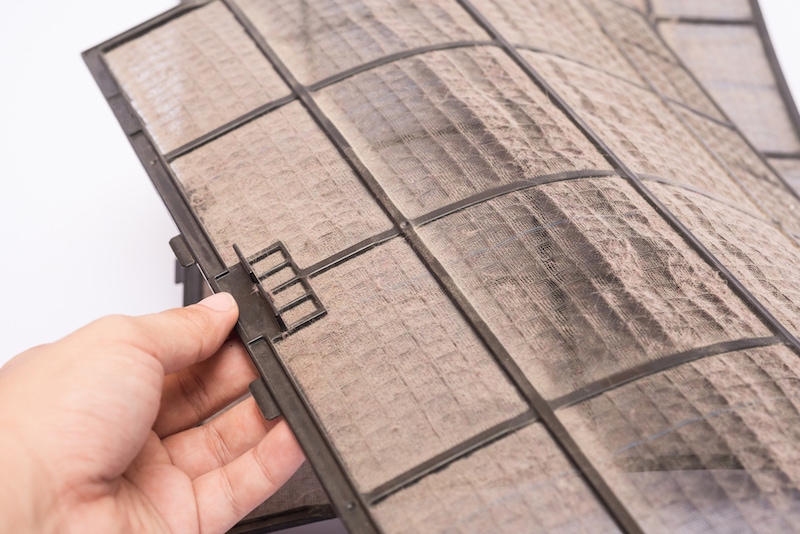
If you check the filter and it looks gray, matted, or visibly covered in dust and debris, it’s ready to be replaced.
How Often Should You Change Your Filter in North Carolina?
How often you should change your HVAC filter depends on several factors:
-
The type and thickness of the filter
-
How frequently your system runs (heating and cooling seasons)
-
Whether you have pets
-
Whether anyone in your home has allergies or asthma
General guidelines:
-
Check the filter at least once a month, especially during heavy-use months (summer and winter).
-
Many 1-inch filters need to be changed about every 1–3 months.
-
Thicker media filters or high-efficiency filters may last longer but still need regular inspection.
In our area, where summers are hot and humid and winters can be cool and damp, your HVAC system works hard most of the year. Staying on top of filter changes is one of the easiest ways to:
-
Keep your indoor air cleaner
-
Help your system run more efficiently
-
Avoid unnecessary repairs
How to Check and Replace Your HVAC Filter Safely
If you’re comfortable doing so, checking and replacing an HVAC filter is usually a straightforward task. Every system is a little different, but these general steps can help:
-
Turn off your system
Switch your thermostat to “Off” while you work with the filter. -
Find your filter location
Depending on your system, the filter may be:-
Behind a return-air grille in a wall or ceiling
-
In a slot at the side or bottom of your furnace or air handler
-
-
Check the existing filter
Carefully slide the filter out and look it over:-
If it appears gray, dusty, or clogged, it’s time for a replacement.
-
Note the size printed on the filter frame (for example, 16x25x1).
-
-
Install the new filter
-
Make sure you insert the new filter with the airflow arrow pointing the right direction (toward the equipment).
-
Ensure the filter fits snugly with no gaps around the edges.
-
-
Turn your system back on
Set your thermostat back to “Heat,” “Cool,” or “Auto” as needed.
If you’re unsure about where your filter is or how to change it safely, the team at Griffin Heating & Air is always happy to walk you through it during a maintenance visit.
When a Clogged Filter Leads to Bigger HVAC Problems
Sometimes a clogged filter is more than just an inconvenience—it can be the starting point for larger HVAC issues.
Restricted airflow can contribute to:
-
Overheated furnaces – When not enough air moves across the heat exchanger, the system can overheat and shut down for safety.
-
Frozen AC coils in summer – Low airflow can cause refrigerant coils to ice over, leading to poor cooling or a complete loss of cooling.
-
More frequent breakdowns – Motors, blowers, and other parts may wear out sooner when the system constantly struggles against a clogged filter.
-
Poor indoor air quality – When the filter is overloaded, dust and pollutants bypass the filter and recirculate through your home.
If you’ve already changed the filter and you’re still seeing weak airflow, odd noises, short cycling, or inconsistent temperatures, there may be a deeper issue with your system. In that case, it’s best to schedule a service call so a qualified technician can diagnose the problem.
Prevent Clogged Filters with Professional HVAC Maintenance
Changing your filter regularly is a great first step, but it’s only part of a complete maintenance plan.
During a professional maintenance visit, your Griffin technician can:
-
Inspect and clean key system components
-
Check airflow and static pressure
-
Verify electrical connections and safety controls
-
Look for early warning signs of wear or damage
-
Confirm your filter size and type are appropriate for your system
Griffin Heating & Air also offers maintenance plans that make it easier to stay on top of tune-ups and filter changes, so you’re not left guessing when something needs attention.
Regular maintenance and clean filters work together to:
-
Reduce your risk of mid-season breakdowns
-
Improve comfort and indoor air quality
-
Help your equipment last longer
Schedule HVAC Service in Statesville, NC
If you’re worried about a clogged air filter, or your home still isn’t comfortable after you’ve replaced it, Griffin Heating & Air is here to help.
Whether you need:
-
Help locating and changing your filter
-
A heating or AC repair because your system is struggling
-
A maintenance visit to get your equipment ready for the season
-
Indoor air quality solutions for cleaner, healthier air
…our experienced team is just a call or click away.
Call (704) 873-1749 or request service online to schedule your appointment in Statesville, Mooresville, Troutman, Salisbury, or any of the surrounding North Carolina communities we serve.